The Story of Malika and Women from the North Caucasus: Between Fear and Hope
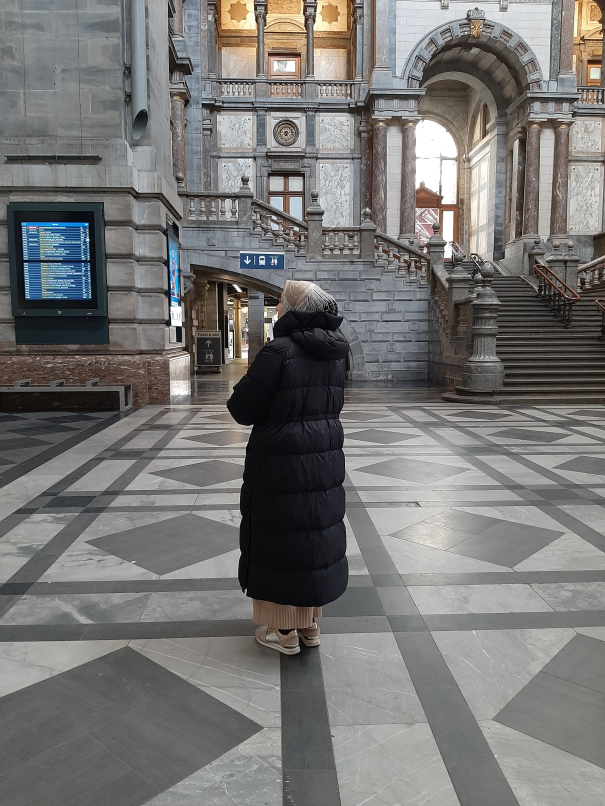
I met Malika — a woman from Chechnya. She now lives in Belgium and is applying for asylum. I had heard about Malika for a long time. We used to live in the same city. But we met in person for the first time only a few days ago, and then I heard her story — a story of pain, survival, and courage.
Life Under Control and Fear
Malika was married at 17. She had no choice — her family decided for her. From the start, she faced humiliation, strict control, and abuse. Almost thirty years of marriage were full of fear: physical and psychological pressure, not being allowed to make decisions, and not being able to speak her mind. Her children saw what was happening and over time became tools for pressure. Her husband turned them against her. She had no support, not even from them. In the last years of her marriage, she suffered serious beatings and threats. After attacks, she often needed medical care but did not tell doctors the truth. She was too afraid of revenge.
Starting a New Life
In spring 2020, Malika finally left Russia and went to Belgium. Even in Europe, she continued to receive threats and survived two attacks by members of the Chechen community. These events increased her anxiety and made her feel that her past was still affecting her life, even far from home.
The Reality for Women from the North Caucasus
You might think that because Russia is a big country, it is easy to disappear there. But moving from Chechnya to another city almost never solves the problem. Women are almost always found by relatives or community members. Then they face pressure — psychological, social, and sometimes physical. One way or another, they are forced to return home. It is important to note that these cases usually happen with the direct involvement and support of law enforcement. Police do not protect women. On the contrary, authorities almost always help to find them and send them back. This makes it almost impossible for Caucasian women to be safe inside Russia.
Examples and Consequences
A widely known case is Seda Suleymanova. She left Chechnya to live freely in another Russian city. But she was found and forcibly returned. Nobody heard from her again. Many believe she was killed. This case shows how dangerous it is for women to try to live independently. Even outside Russia, women are not always safe. In 2025, Larisa Arsanukaeva was killed in France — according to the investigation, by her former husband. The attack happened in front of her children. Her daughter, who tried to protect her mother, was seriously injured. This shows that escaping does not always mean safety.
Why She Could Not Leave Sooner
You may ask — how could this fragile woman endure so much, and why did she not leave earlier? Simply put, it was impossible. The main reason was that she was a mother. She could not leave her small children — the fear of abandoning them was stronger than the fear of beatings. Maternal love and the traditions of her community made leaving almost impossible. But the older her children became, the more cruel her husband became.
A Life-Defining Decision
Malika’s future now fully depends on the decision of the Belgian migration authorities. Their decision will determine if she can live in relative safety or if she must return to a place where she is likely to be in danger. People in free countries find it hard to believe that what Malika went through is possible. But just because we do not see or understand it, does not mean it does not exist. Sometimes ignorance or underestimating these risks can cost lives. Listening to stories like Malika’s is the first step to protect those who cannot protect themselves.
The Strength to Move Forward
Malika has not given up. She is learning the language, working, helping others, and keeping hope alive. Her story is about survival, courage, and hope. She fights not for luxury, but for the most basic right — to live without fear. Her case shows how important it is for migration authorities to understand real dangers and give women a chance to live safely. For Malika, every decision can be a matter of life and death.